 Skip to content


Superaircool Tube Bender
Tube customized bending is a critical process in many industries, such as HVAC, automotive, plumbing, and metalworking. It is essential for creating piping and tubing solutions that fit specific spaces, angles, or configurations. A tube bender is a tool designed to bend tubes and pipes without kinking or damaging the material. Whether you’re working on a small DIY project or a large-scale professional application, choosing the right tube bender is key to ensuring accuracy, efficiency, and the longevity of your work. In this comprehensive guide, we will explore everything you need to know about tube benders, their types, uses, benefits, and how to choose the best one for your needs.
What is a Tube Bender?
A tube bender is a specialized machine or tool used to bend tubes and pipes into precise angles and shapes. This process is necessary in various industries, such as plumbing, HVAC systems, refrigeration, and construction. Tube bending can be done manually, hydraulically, or electrically, depending on the scale and complexity of the project.

Tube benders use dies or molds that guide the material through a bending process to ensure a consistent bend with minimal deformation. They are widely used to create bends for applications where a tube needs to navigate around obstacles or fit into specific designs. The process helps avoid the need for joints or welds, making tube-bending solutions more efficient and durable.
Types of Tube Benders
There are several types of tube benders available, each designed to meet specific needs depending on the material, thickness , and the desired bend radius. The most common types of tube benders include:
1. Manual Tube Benders
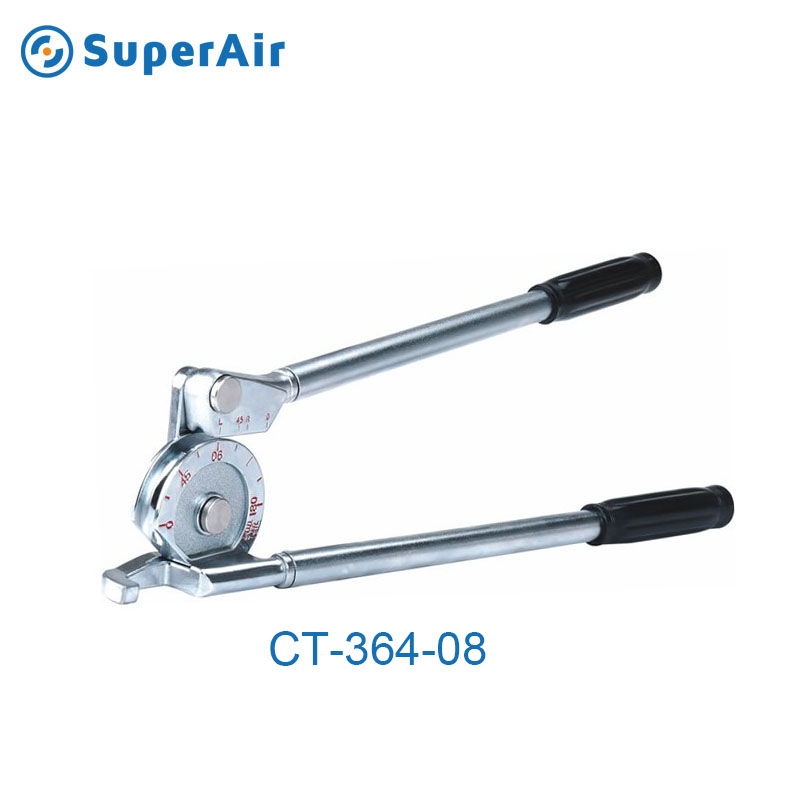
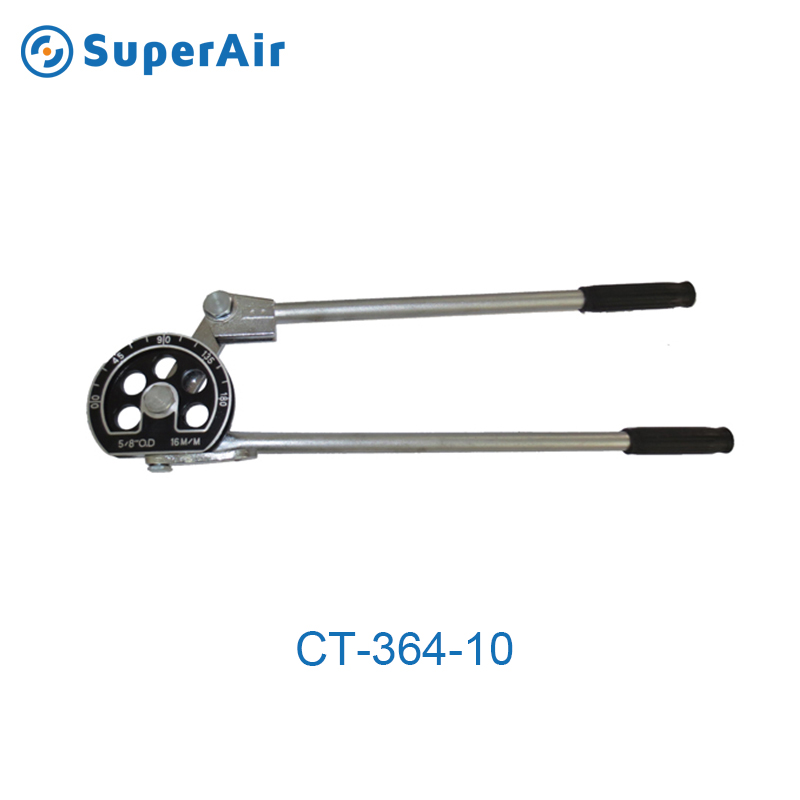
Manual tube benders are compact, easy-to-use tools that are ideal for smaller projects and DIY applications. These benders are generally lightweight and require no external power source, making them affordable and simple to operate. The user applies force to a lever or handle to manually bend the tube around a die. They are best for bending soft metals like copper or aluminum, which are often used in plumbing and HVAC systems.
Manual tube benders are available in various sizes to accommodate different tube diameters and are often used for producing bends of moderate radii. Although they require more effort and are slower than powered options, they offer excellent control over the bending process.
2. Hydraulic Tube Benders
Hydraulic tube benders use hydraulic pressure to bend tubes and pipes, making them much more powerful than manual benders. They are suited for handling heavier tubes and thicker materials like stainless steel. Hydraulic tube benders provide increased precision, allowing for the production of consistent, high -quality bends in larger quantities.
These benders are perfect for industrial applications where precision and efficiency are crucial. Hydraulic tube benders are capable of creating tight radii bends and can accommodate a wide range of tube sizes and materials.
3. Electric Tube Benders
Electric tube benders are powered by electric motors, making them faster and more efficient than manual benders. These tools offer the advantage of reducing physical effort and time spent on each bend. Electric tube benders are used in high-volume environments and are particularly useful when dealing with repetitive bending tasks.
They can handle a variety of tube materials and sizes, from copper to stainless steel, and are capable of producing accurate bends with minimal human intervention. Electric tube benders are highly effective in automotive, HVAC, and other manufacturing applications.
4. Rotary Draw Benders
Rotary draw benders are highly precise tube benders that use rotating dies to bend tubes around a form. They are best known for their ability to create tight bends without kinking the material, making them ideal for applications that require intricate and detailed tube designs. benders are commonly used in automotive and aerospace industries where precision is critical.
These benders are designed to achieve a high level of accuracy in bending, and they allow for the production of multiple custom bends with varying angles. Because of their precision, rotary draw benders are considered some of the most advanced machines for tube bending.

How to Use a Tube Bender
The process of using a tube bender depends on the type of bender you’re using, but generally, it follows these basic steps:
1. Prepare the Tube
Before bending, ensure the tube is clean and free from any dirt or debris. Properly measure the tube length and mark where you want the bend to be made. Also, check that the tube is the correct material and diameter for the bender you’re using.
2. Place the Tube in the Bender
Insert the tube into the bender, aligning it with the form or die. For manual benders, you will typically place the tube on a base or between two adjustable arms. Hydraulic and electric benders will have adjustable settings to accommodate different tube sizes.
3. Set the Bend Angle
Many tube benders have preset angles or adjustable settings that allow you to select the desired bend angle. Some advanced models, like rotary draw benders, enable you to set specific angles and radii for precise bends. Ensure the settings are correct before proceeding.
4. Apply Force
For manual benders, apply force using the lever or handle, which will move the tube around the die. For hydraulic or electric benders, the machine will automatically apply pressure to bend the tube. Make sure the tube is in the correct position and aligned with the die.
5. Check the Bend
After bending the tube, check the angle and radius to ensure it meets your specifications. If the bend is incorrect, you can make minor adjustments or perform the bend again. Always make sure to inspect the tube for any signs of damage, such as cracks or kinks.
6. Remove the Tube
Once the bend is complete, release any clamps or fasteners holding the tube in place. Carefully remove the bent tube from the bender.
How to Choose the Right Tube Bender
When selecting a tube bender for your project, consider the following factors:
- Material Type: Make sure the tube bender is compatible with the material you plan to work with. Some models are designed for softer metals like copper and aluminum, while others can handle more robust materials like stainless steel.
- Bend Radius: Choose a bender that allows you to achieve the bend radius required for your project. Ensure that the bender can accommodate the angles you need to create without damaging the tube.
- Capacity: Check the bender’s capacity in terms of the maximum tube diameter and wall thickness it can handle. Ensure it can accommodate the specifications of your project.
- Power Source: If you need a bender for small projects, a manual tube bender may suffice. However, for larger projects or high-volume work, hydraulic or electric models are more efficient.
Conclusion
Tube benders are essential tools for any project that requires precise, consistent tube bending. By understanding the types of tube benders available and how they work, you can choose the right tool for your project and enjoy the benefits of cleaner, more professional results. Whether you’re working on a small DIY project or a large-scale industrial application, a tube bender will save you time, improve the quality of your work, and enhance your efficiency.

